
Technology Decisions That Affect Growth, Operations, and Enterprise Value
Practical insights on technical due diligence, operational transformation, software architecture, AI, and technology leadership.
The areas we work in
Start with the kind of decision or operating problem you are trying to understand.
Investment & Due Diligence
Technology risk, operating reality, and the evidence behind investment decisions.
Explore topicOperational Transformation
How critical business flows can be understood and improved before technology is added.
Explore topicArchitecture & Modernization
Practical choices for systems that need to become more reliable, maintainable, or ready to scale.
Explore topicAI & Automation
Where automation and AI fit, and where a simpler operating change is the better answer.
Explore topicTechnology Leadership
The leadership, decisions, and delivery conditions behind sustainable technical progress.
Explore topicA current perspective from Sharp Logica
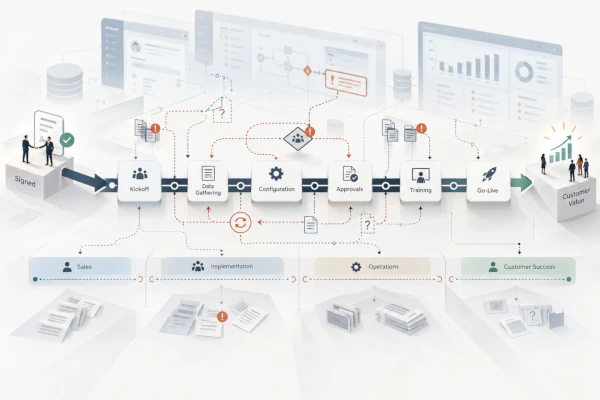
Customer Onboarding Is Usually a Process Problem Before It Is a Software Problem
When onboarding is slow or inconsistent, a new platform can look like the obvious answer. The underlying problem is more often the way work, information, ownership, and exceptions move from the commercial handoff to customer value.
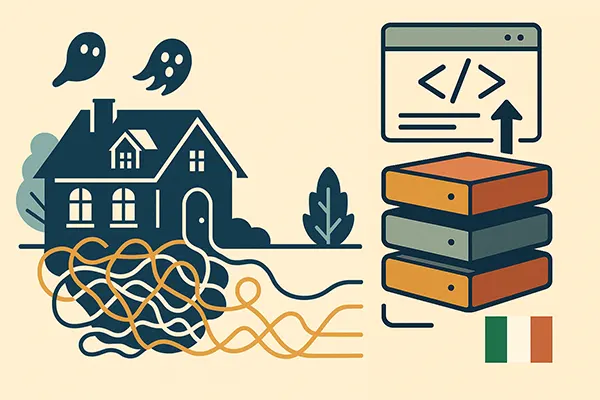
Dal Codice Spaghetti all'Architettura Al Dente: Guida
“Spaghetti code” is almost never born that way. It starts as something small and pragmatic. A controller that “just hits the DB for now.” A static helper that “we’ll clean up later.” A feature that needed to go out yesterday.
Then the company grows, the product evolves, people leave, and suddenly your core system behaves like a haunted house: opening one door triggers five surprises somewhere else.
Here's how to save some real money.
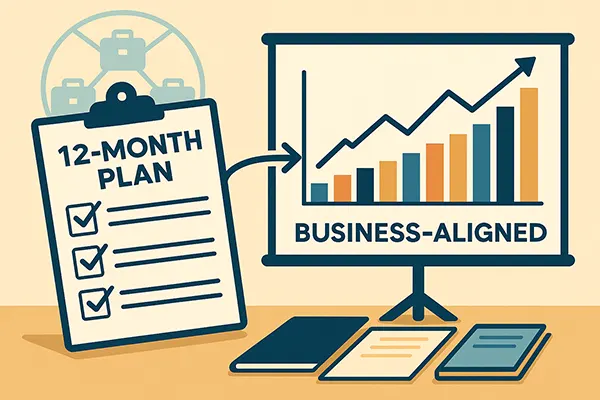
CTO Architecture Review to Roadmap (Part 3)
After all this, what do we actually walk away with? Not another 60-page PDF. Not a vague “you should probably refactor this.” You want something you can run the company with. This is where the review either becomes a tool for leadership or dies as a document in a shared folder.
Read Article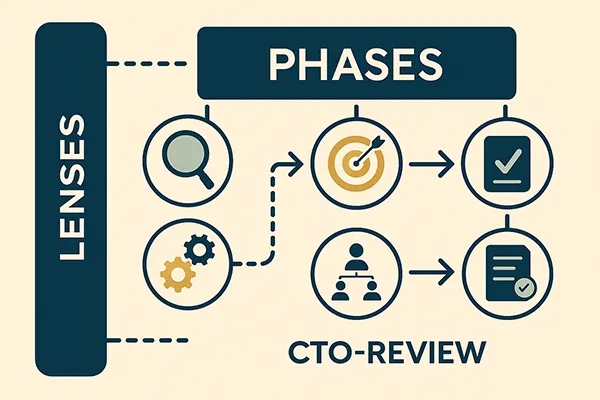
CTO Architecture Review to Roadmap (Part 2)
You might have clean diagrams, well-chosen patterns, and even a formal architecture review behind you: yet still be struggling with slow delivery, mounting technical debt, unreliable releases, or a platform that doesn’t match where the business is actually trying to go.
Read Article
CTO Architecture Review to Roadmap (Part 1)
When companies reach out to a Fractional CTO, they almost never start with a blank slate. They’ve already built something. It mostly works. It’s creaking in a few places. People are nervous about scaling, security, costs, or that “big rewrite” someone keeps lobbying for. And quite often, they’ve already done some kind of architecture review.
Read Article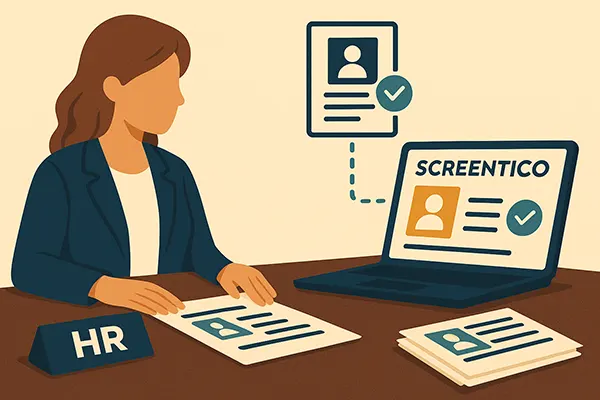
Stop Reading Every Resume: Focus on Right Candidates
You already have an ATS. You already use job boards. You already spend too many evenings skimming resumes that all start to look the same after a while. The real problem isn’t getting more candidates into the funnel. The real problem is deciding who deserves your attention without burning out.
Read Article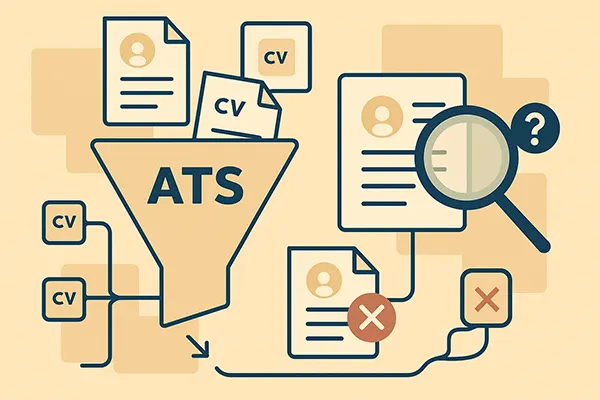
Why ATS Filters Aren't Enough for Hiring Decisions
Applicant Tracking Systems (ATS) were supposed to make hiring simpler. They collect resumes, store candidates, and apply keyword filters so overwhelmed HR teams can quickly shortlist people who “match” the job description. The problem is that matching keywords is not the same as making good hiring decisions.
Read ArticleNeed a clearer view of a technology or operational problem?
Sharp Logica works with investors and operating companies on technical diligence, operational transformation, architecture, and technology leadership.
Subscribe to Our Newsletter
Stay current on the technology and operational decisions that affect business value. Technical diligence, operational transformation, architecture, AI, and technology leadership, without the hype.
We respect your privacy. Unsubscribe at any time.